Roofing in Columbus, Ohio
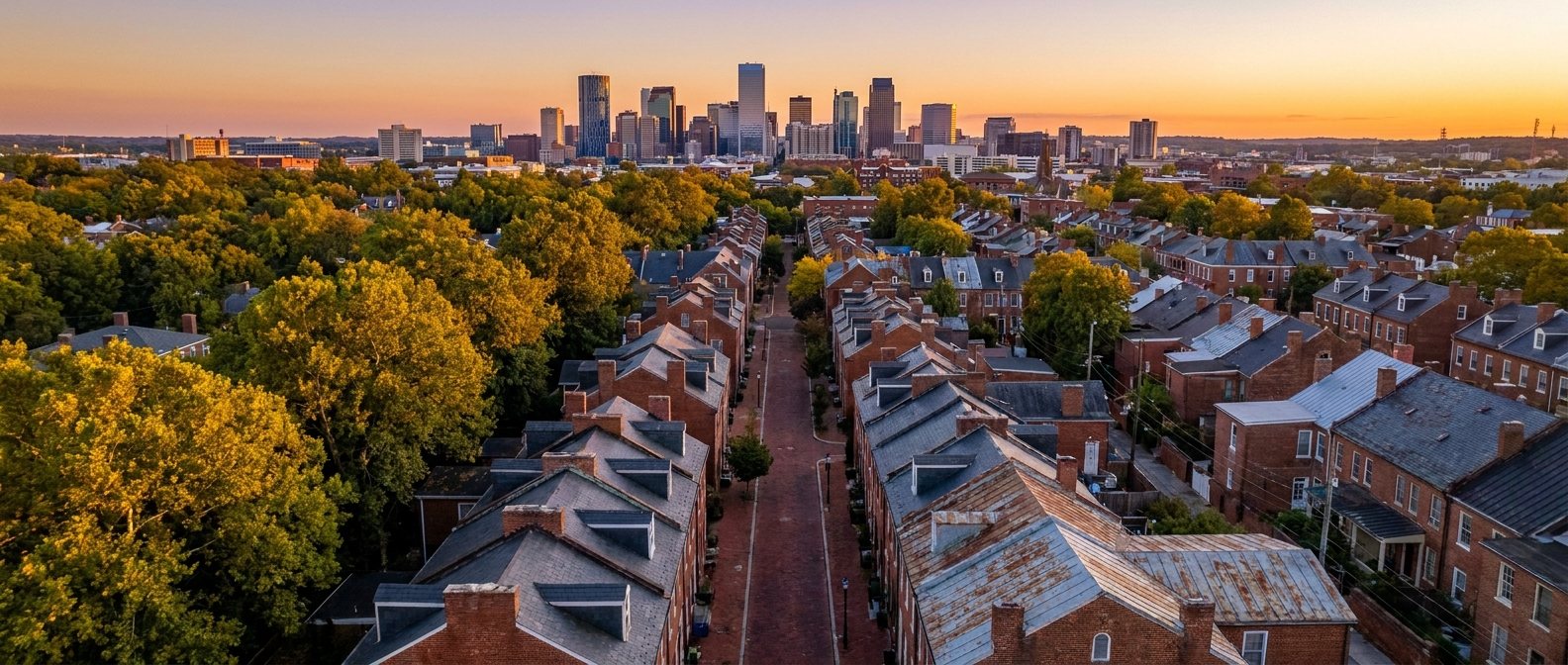
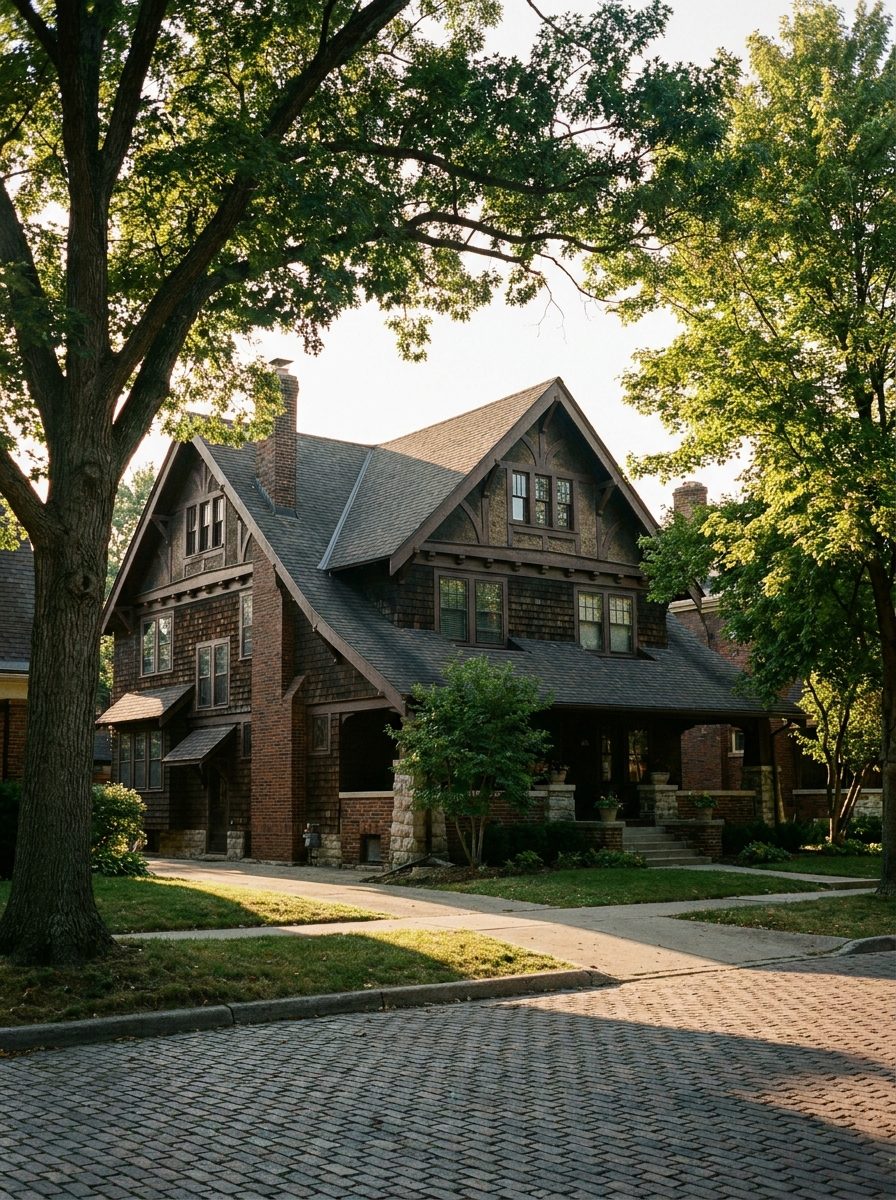
Columbus is the largest city in Ohio and one of the fastest growing metros in the Midwest, and its roofs reflect roughly 200 years of construction happening all at once. German Village has brick houses from the 1840s and 1850s with slate and standing seam. Clintonville and Upper Arlington have interwar and postwar housing with steep pitches and cut-up rooflines. The outer suburbs have subdivisions built in waves from the 1990s forward with builder-grade asphalt. Downtown and the industrial corridors have acres of low-slope commercial membrane. Topline Roofing and Construction serves the Columbus area from Washington Court House, about forty five minutes southwest, and we work in all four of those categories.
German Village, Victorian Village, and brick house roofing
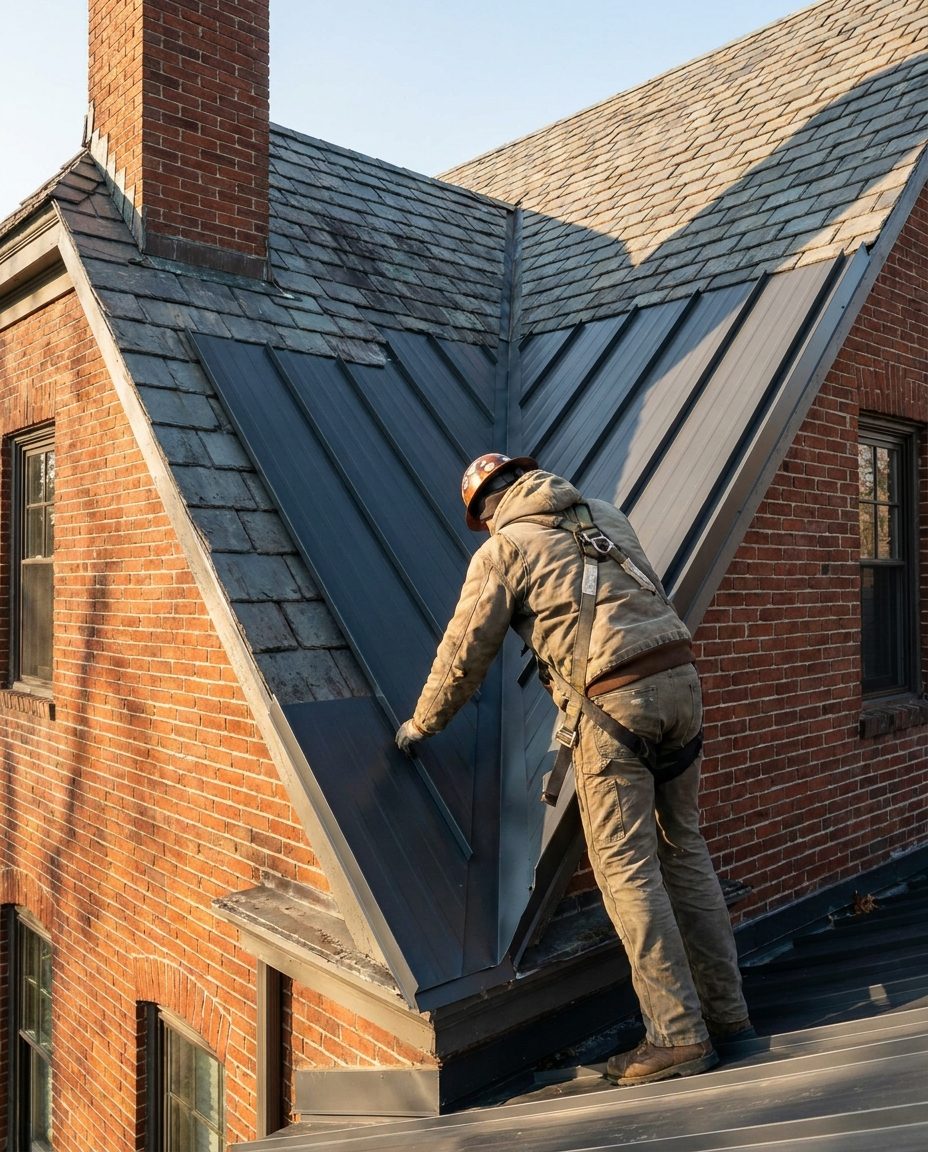
The historic districts south and north of downtown present the hardest residential roofing problems in central Ohio, and they present them repeatedly. Pitches are steep. Rooflines are broken up by dormers, ells, bay projections, and rear additions built across three different eras. Decking is plank rather than plywood, with gaps that do not hold modern fasteners the same way. Original slate and standing seam survive on a meaningful number of these houses and frequently have more life left than the asphalt on a home built fifty years later.
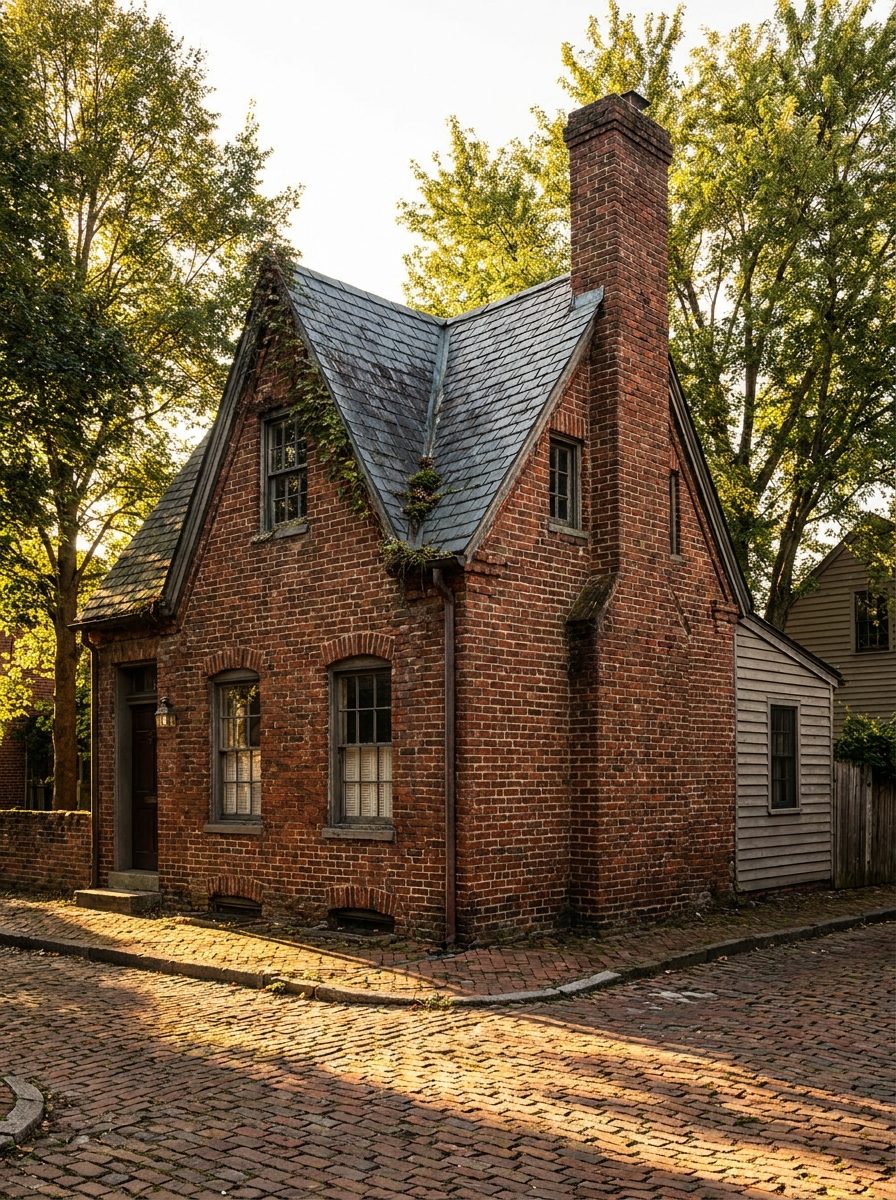
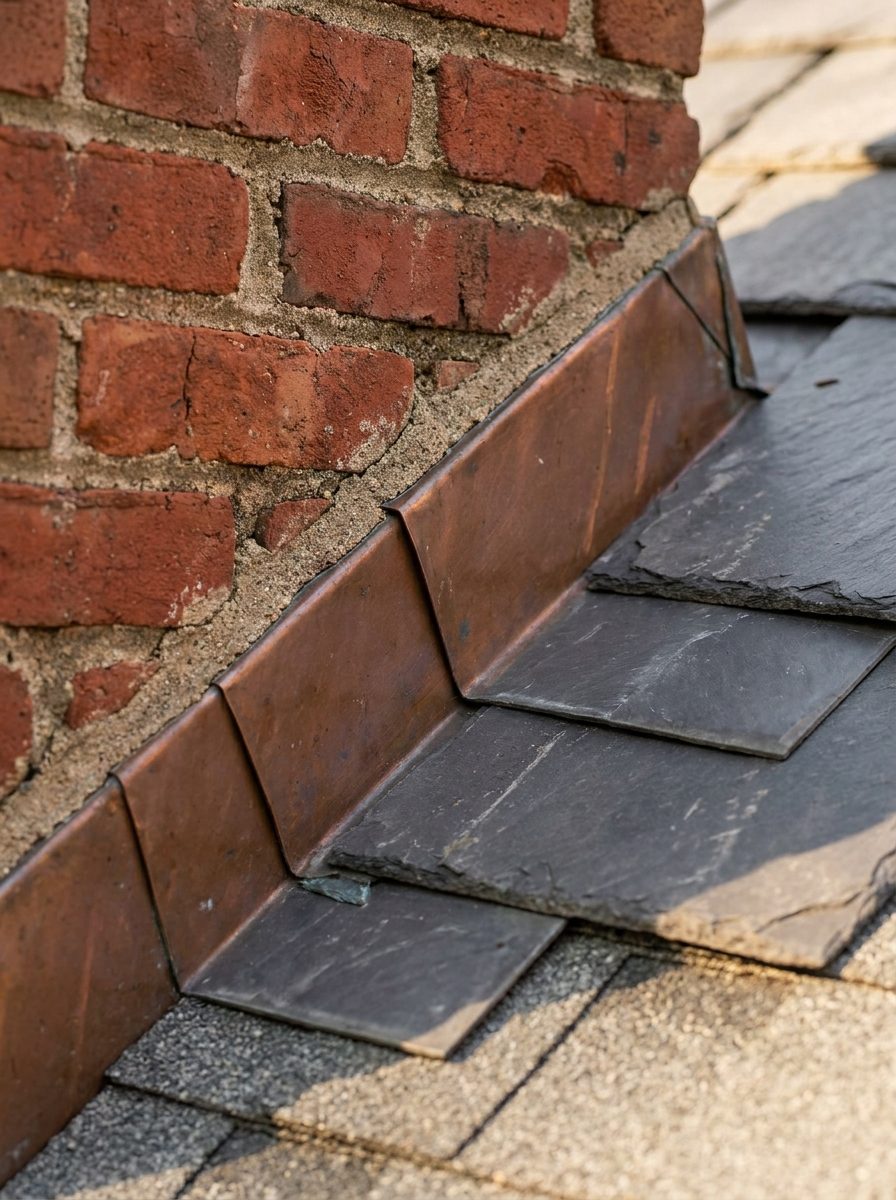
The masonry is the complication most crews underestimate. Where a roof meets a brick wall or chimney, the counter-flashing has to be cut into the mortar joint, not caulked to the face of the brick. Once caulk fails, water travels inside the wall and surfaces somewhere that looks unrelated to the roof. Many persistent leaks in these neighborhoods are not shingle problems at all.
Suburban Columbus and roofs that age in clusters
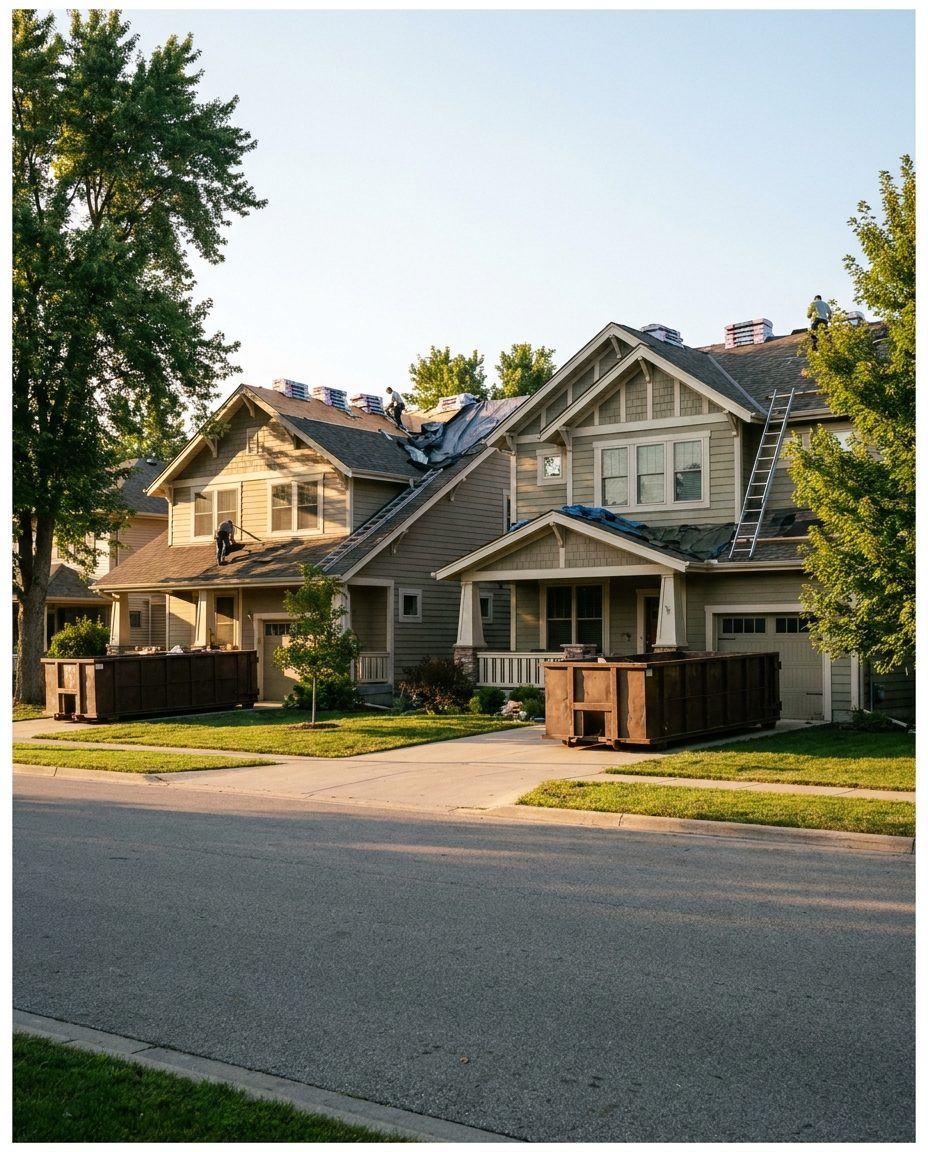
Hilliard, Dublin, Westerville, Grove City, Gahanna, Pickerington, and the newer developments beyond them share a pattern. A builder puts up dozens or hundreds of homes in a compressed span with the same shingle from the same supplier installed by the same crews. Standard architectural asphalt carries a twenty to twenty five year service life in central Ohio, less on a south-facing slope with poor attic ventilation, and entry-level three-tab runs shorter still.
The result is that suburban Columbus roofs do not fail one at a time. They fail in clusters, over three or four years, street by street. That is why door-knocking crews work these neighborhoods so aggressively, and why homeowners in them get a great deal of pressure to decide quickly on a project that does not actually require a quick decision.
How long should a roof last in Columbus?
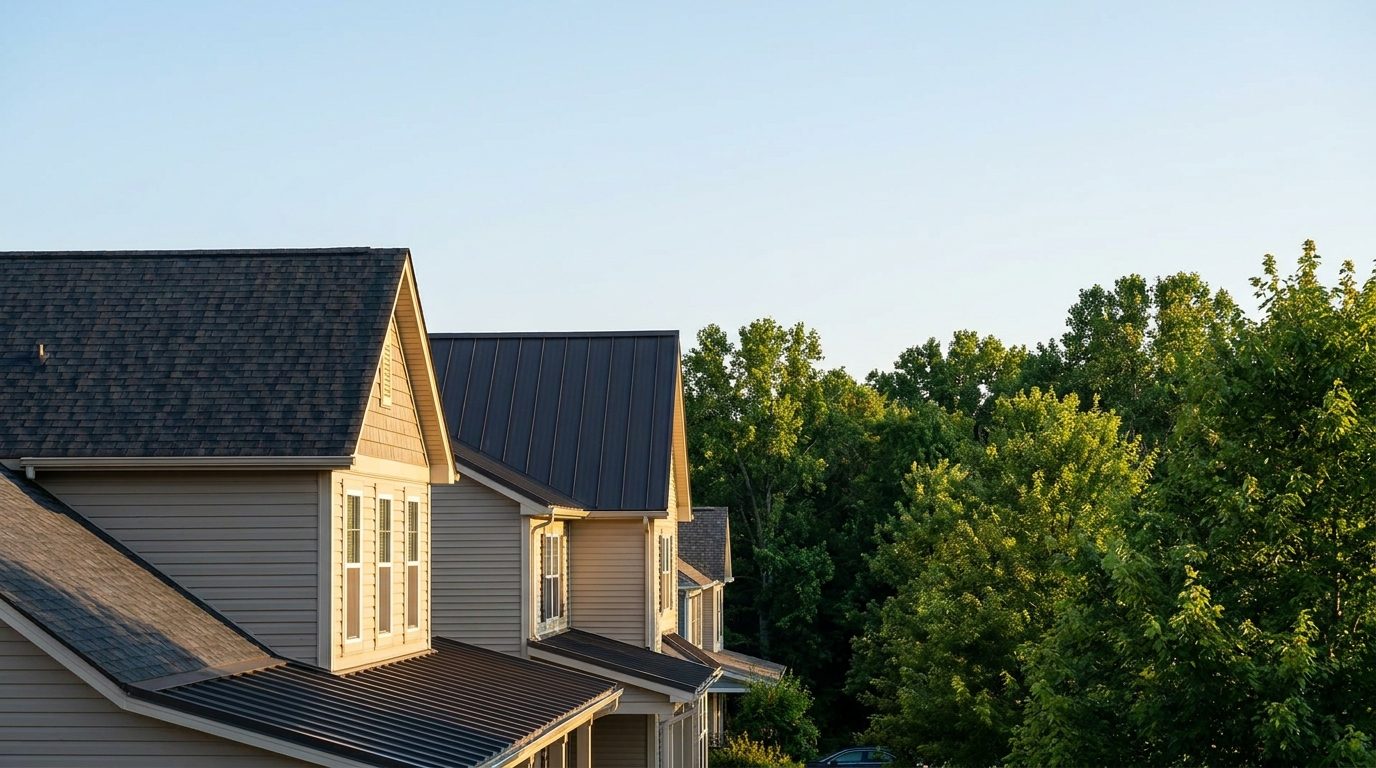
Twenty to twenty five years for standard architectural asphalt shingle. Less for three-tab. Forty to seventy years for standing seam or structural metal. Slate, where it exists and has been maintained, can exceed a century. The factors that move your particular number are attic ventilation, roof orientation, tree cover and shade, and whether the roof has absorbed a significant hail or wind event.
Hail, wind, and ice in central Ohio
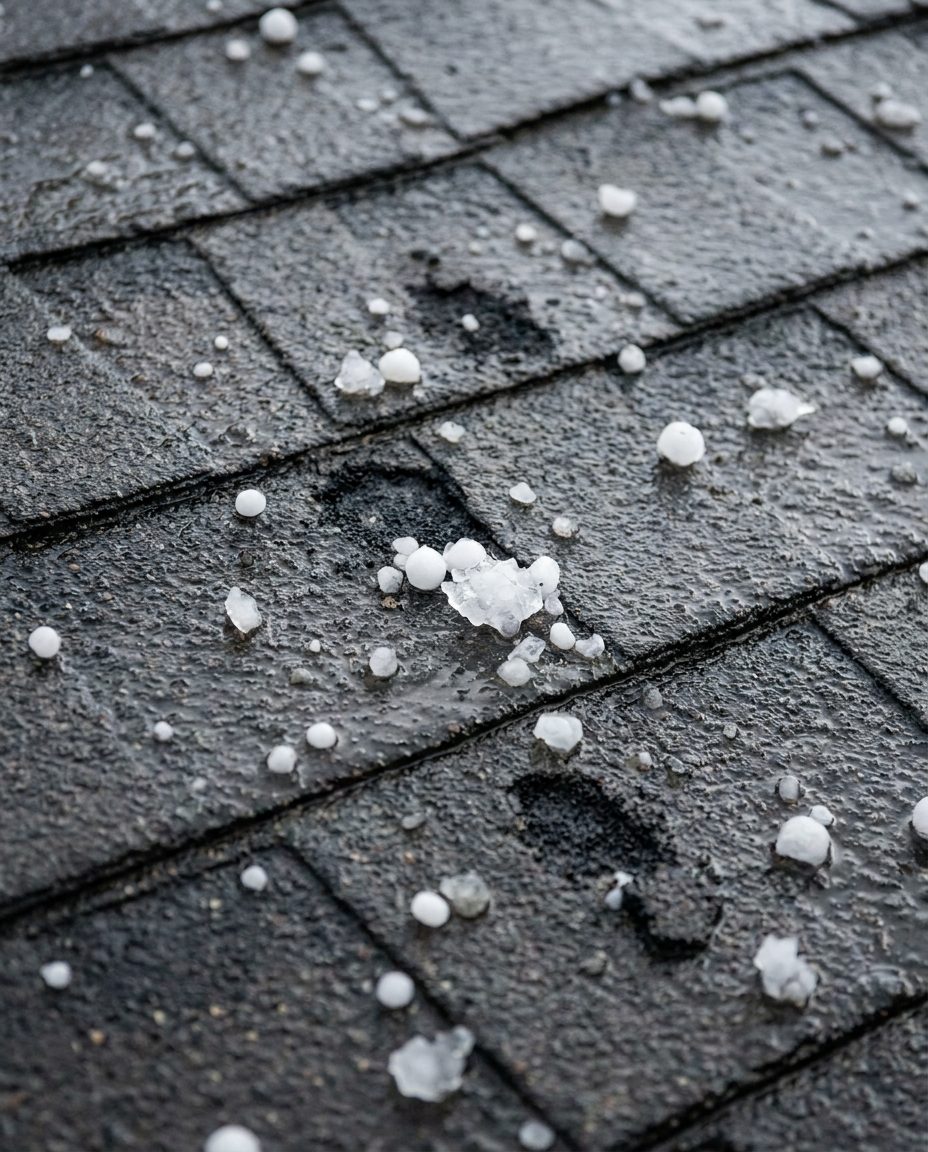
Franklin County takes hail most springs and straight-line wind with the same storm systems. Neither leaves damage that is obvious from the driveway. Hail bruises the shingle mat and dislodges granules. Wind lifts a tab, breaks the thermal seal, and sets it back down, so the roof looks untouched while water runs underneath it on the next rain. Both are typically discovered months later as a ceiling stain.
Winter adds freeze and thaw from roughly November through March, plus ice damming on two-story homes where heat escaping into the attic melts snow that refreezes at the cold overhang. Water then backs up under the shingle courses, which is why ice and water barrier at the eaves, correct ventilation, and adequate insulation matter more than the shingle brand on the box.
Storm chasers and the Columbus problem
After any significant central Ohio hail event, out-of-state crews arrive in volume and work the suburbs door to door. Some are competent. The business model, though, is built on speed: sign as many homes as possible, install as quickly as possible, and move to the next storm in the next state. The workmanship warranty is issued by an entity that will not be operating in Ohio when you need it, and the local permit and inspection obligations are sometimes treated as optional.
Ask three questions before signing anything. Where is the company physically based? Will the people who sold me the job be on the roof? Will you meet my adjuster on site? Topline is based at 864 Flakes Ford Rd SW in Washington Court House, our crews are our own employees, and we meet adjusters on site as a matter of routine.
Commercial and multi-family roofing in Columbus
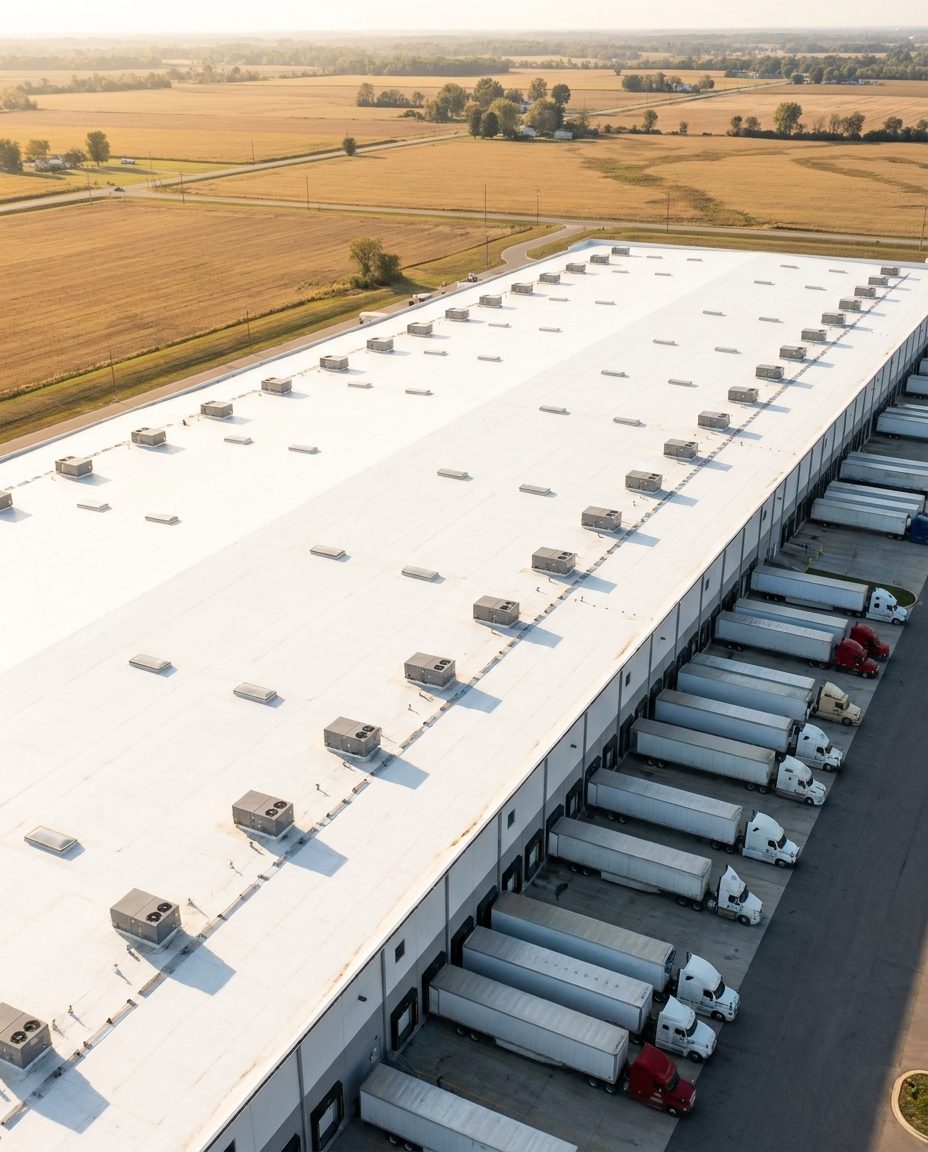
The Columbus metro has an unusually large inventory of low-slope commercial and multi-family roof area: warehouses along the logistics corridors, retail strips, office parks, and apartment communities. These roofs fail through seam separation, ponding water finding a pinhole, and leaks at rooftop mechanical curbs. A failure in a distribution building damages inventory rather than the building, which is why proactive condition reporting pays for itself.
Topline installs and maintains TPO white reflective, EPDM rubber membrane, modified bitumen, and built-up systems, along with standing seam and structural metal on pitched commercial properties.
What Topline does in Columbus
Complete tear-offs and re-roofs in architectural, dimensional, and luxury asphalt shingle. Standing seam, performance panel, and quad rib metal. Historic roof assessment, flashing repair, and masonry counter-flashing done correctly. Commercial and multi-family low-slope systems. Attic ventilation correction as part of a re-roof. Emergency tarping and 24 hour leak response. Full insurance claim documentation and adjuster meetings. And as a licensed general contractor: additions, window replacement, siding, seamless gutters, kitchen and bath remodels, basement finishing, and garage conversions.
All crews are Topline employees using Topline equipment. No subcontractors, and one project manager on your job from the first walk to the final inspection. We are military-owned, licensed and insured, and certified by GAF, Owens Corning, and CertainTeed.
Get a Columbus roof estimate
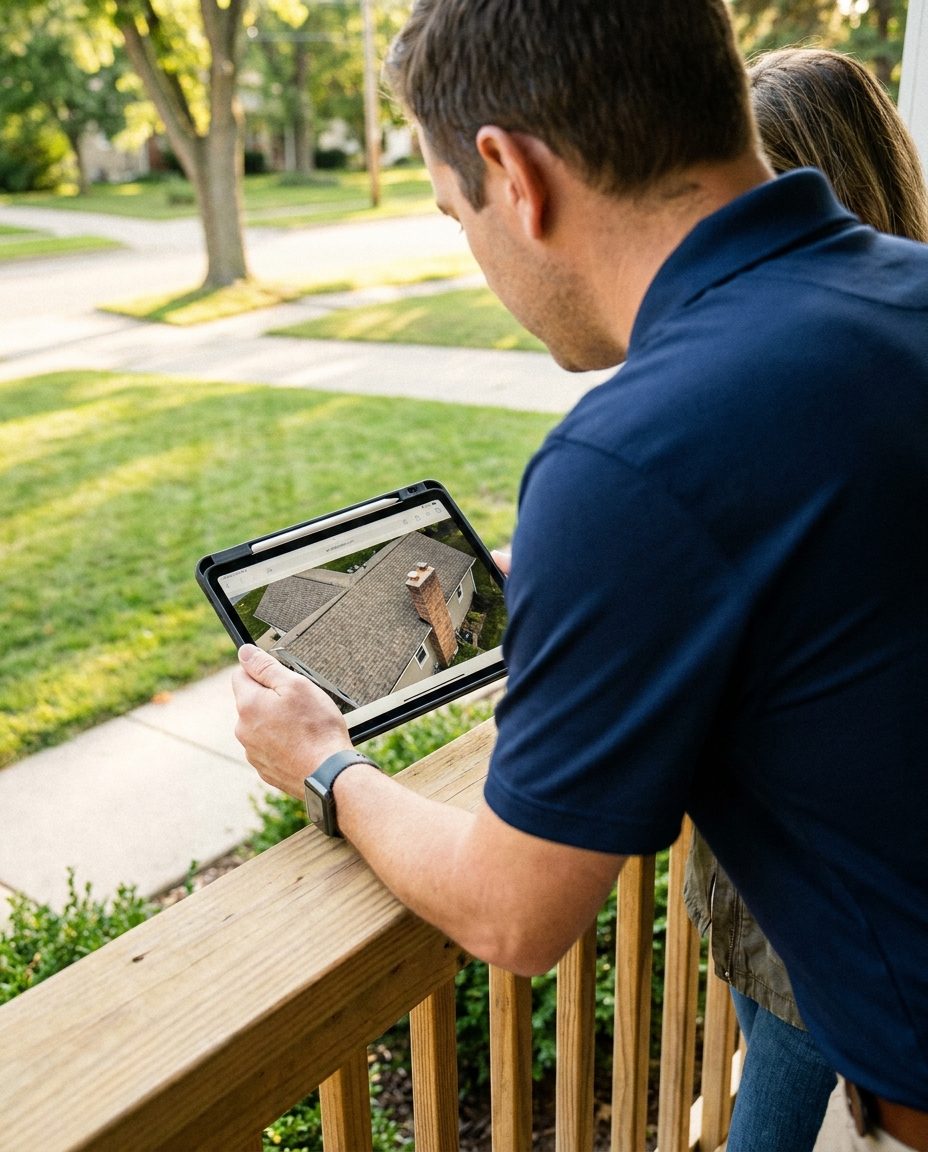
Every residential estimate and commercial bid is free, written, and delivered with drone inspection photography of the existing roof. Financing through Hearth includes pre-qualification in about sixty seconds with a soft credit check and 0% APR options for qualifying homeowners. Call (740) 603-3750 to reach Jeremy Griffith or Kyle Bennett directly, or (740) 910-ROOF for 24 hour emergency response.